
The Law
A federal crime refers to actions that violate the federal laws of the United States. These offenses typically arise when illegal activities transcend state boundaries or engage multiple jurisdictions, falling under federal jurisdiction. Federal crimes include a variety of categories, including drug trafficking, white-collar crimes like fraud and embezzlement, human trafficking, illegal re-entry, and offenses linked to terrorism and organized crime.
Punishment
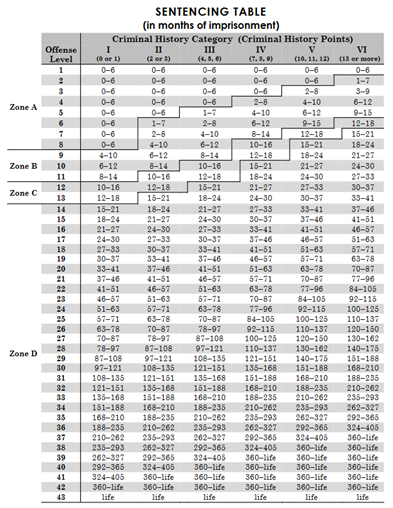
If the jury finds the defendant guilty, the judge will impose a sentence based on established federal sentencing guidelines. These guidelines consider a range of factors, including the severity of the offense, any mitigating circumstances that could reduce the severity of the punishment, the defendant’s prior criminal history, and specific statutory minimums or maximums relevant to the crime.
Defense
In most cases, the courts presume that the government is acting reasonably when they pursue federal criminal charges against an individual. As long as the federal government’s intentions are good, the courts will not prevent a case from moving forward. However, some conduct by the federal government is so outrageous that moving forward with a criminal prosecution violates a defendant’s due process rights. This is a high bar to prove, as it must involve acts so fundamentally unfair that justice would prevent a criminal prosecution. This is known as the outrageous government conduct defense.
This defense is available even in cases where the state could prove all of the elements of a crime. Despite this evidence, the successful use of this defense can bar prosecution and lead to the dismissal of all charges.


